A Review of the Jiachen Year: Photography, Literature, and Music
Contents
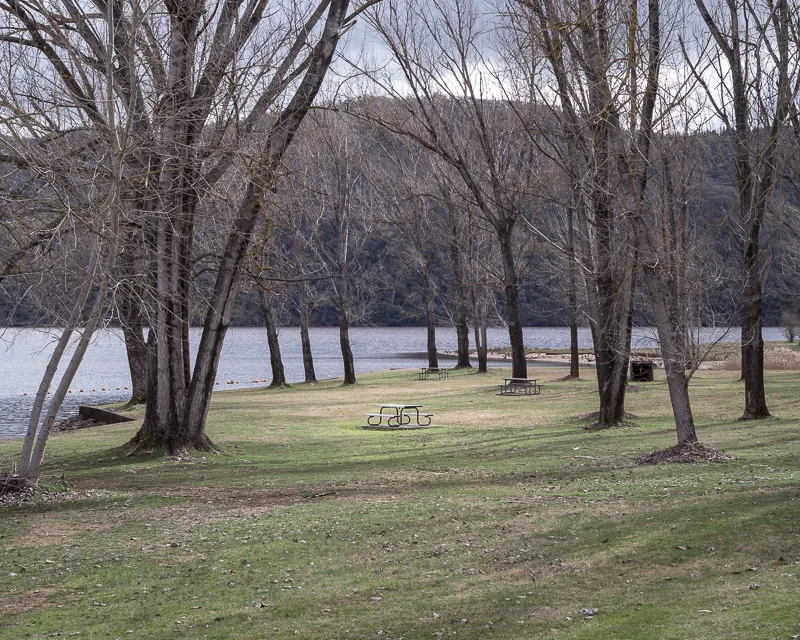
Not many people write year-end reflections according to the lunar calendar. I am one of them. This is also the first time I have looked back on a lunar year. The reason is simple: I had already used my end-of-calendar-year review for the photographs of that year, Pictures of my 2024.
Photography
Photography matters deeply to me because it shapes how I observe and understand the world.
In 2021, I came across an open Coursera course offered by New York’s Museum of Modern Art. That discovery began a long effort to read the accompanying materials. The art texts were dense and full of GRE-level vocabulary, while my reading was confined mostly to my commute and often interrupted. Three years later, I still have not finished them all, but I believe I can complete the reading plan before the end of 2025.
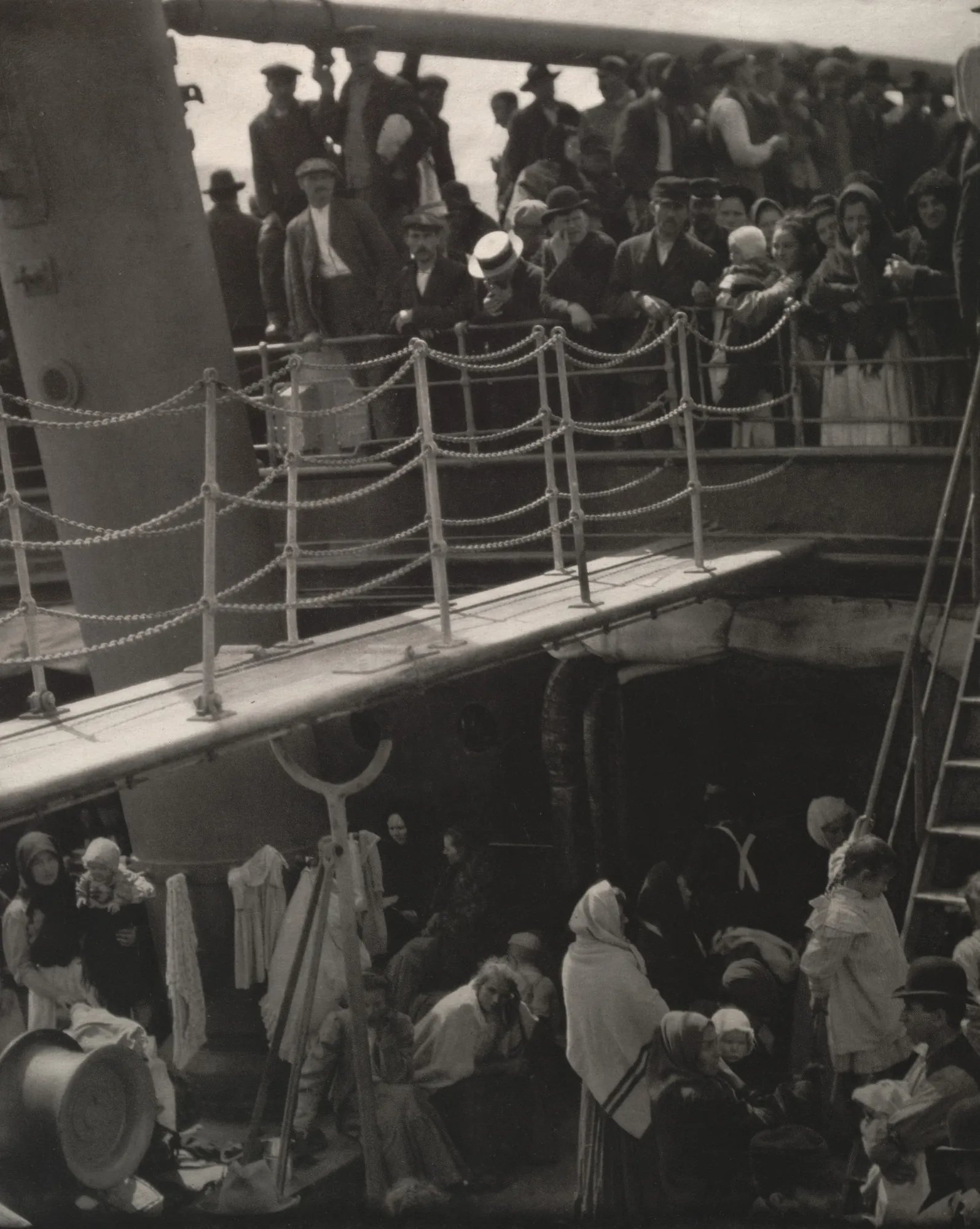
The Steerage
Alfred Stieglitz, 1907
The MoMA course changed my understanding of photography, but several other experiences also mattered. The sudden deaths of relatives and friends made me reconsider the value of family photographs buried on hard drives. As cities changed, photographs became time capsules preserving streets as they once were. They also allowed me to remember and revisit changes in my own life.
This reminds me of a photography talk I happened to attend. On 14 December 2020, The Age of Innocence Book Bar on Baoshi Mountain in Hangzhou invited photographer Jin Feng, who had photographed for Reuters and National Geographic, to give a talk about photography.
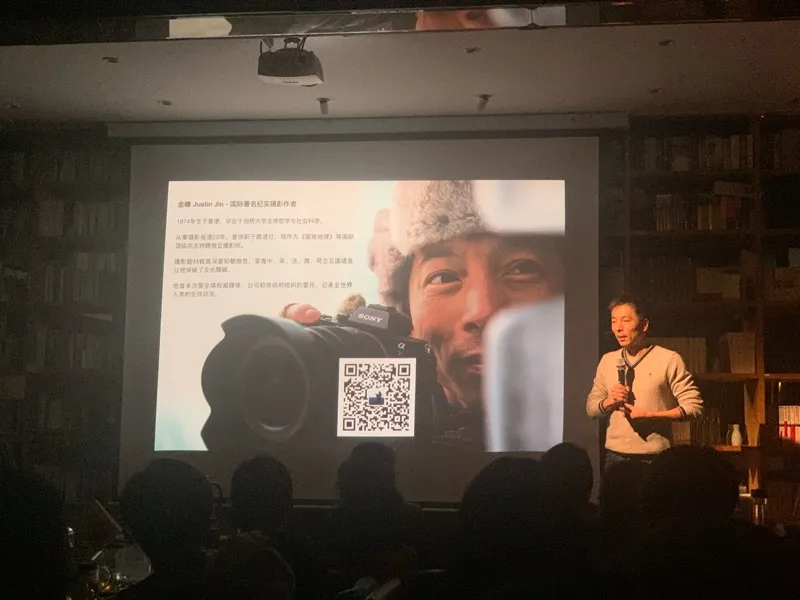
Jin Feng photography talk
The Age of Innocence Book Bar, Baoshi Mountain, Hangzhou, 2020
I had long subscribed to the English edition of National Geographic and would occasionally read articles that interested me. Most of the time, however, my attention stayed on the photographs. I treated the magazine more like a book of nature photography. When looking at those images, I would wonder what camera, lens, and settings had been used to make them.
Jin Feng’s talk made me begin to pay more attention to what a photograph contained rather than the equipment and settings behind it. Besides his published stories about the Russian polar regions, he also showed a series of unpublished photographs related to pandemic quarantine. They were taken with an iPhone, without professional lighting or careful preparation. The content and the act of recording were what mattered.
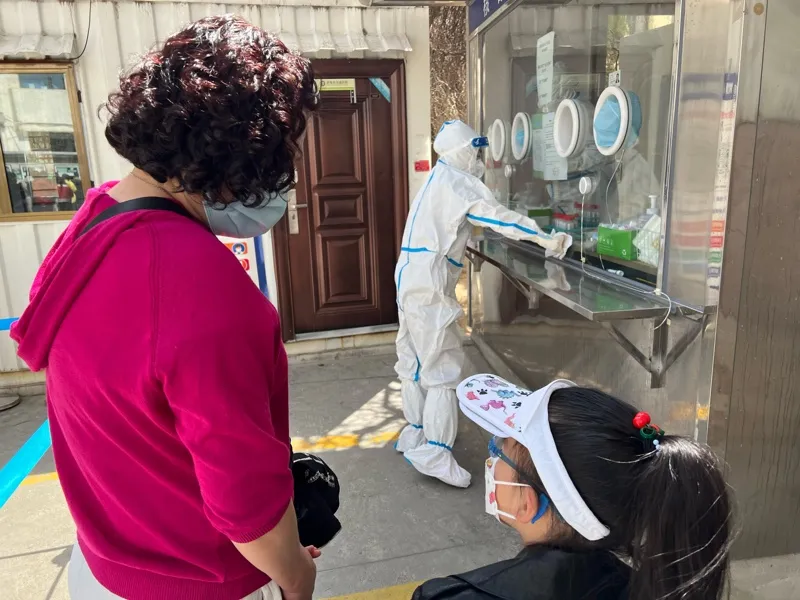
Life during the pandemic
Xining, Qinghai, 2022
After that talk, I began using my phone to document more of what was happening around me. Much of it concerned the three years of the pandemic. Looking back, I am glad I took those photographs. Together, they record more than isolated scenes; they form a silent drama of absurdity, joy, sorrow, separation, and reunion.
- The Road Through Those Three Years
- Testing During Those Three Years
- Life During Those Three Years
- The End of Those Three Years
Jin Feng’s talk shifted my attention from equipment to content, while the MoMA course took me a little further and brought me closer to the edge of art. I do not really understand how art should be defined, nor do I have any formal training. I only have a vague and uncertain sense of it. Put simply, art is a subtle and unusual atmosphere that can resonate with me or others beyond language. As the line from The Song of the Pipa says, “At this moment, silence speaks more than sound.” That is probably the closest description of what I mean.
Photography and Literature
Over the past few years, I have used reading as the main way to understand photography more deeply. The open course offered by MoMA, the Museum of Modern Art in New York, was the starting point of that process.
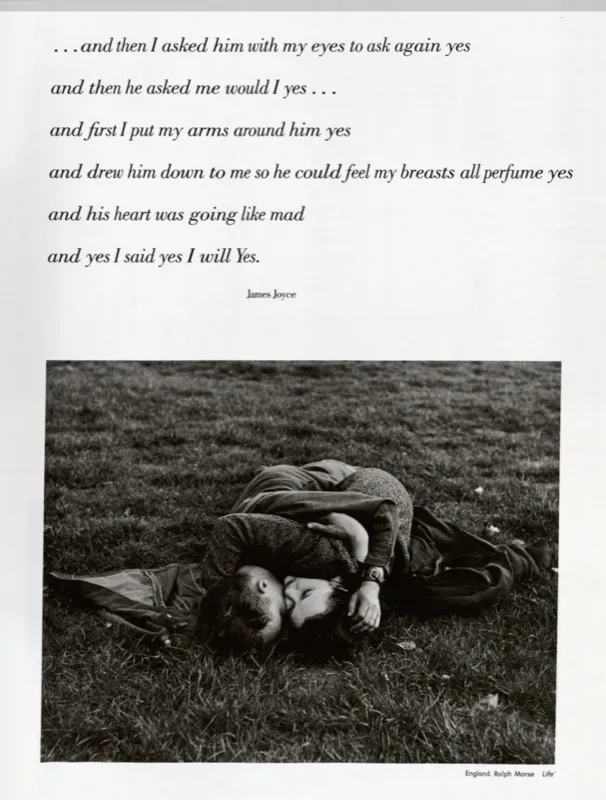
Screenshot from MoMA’s Introduction by Edward Steichen
I was struck by the atmosphere and narrative that photographs and words could create together. The result could feel passionate, serious, moving, or full of longing. Photographs present a scene directly to the viewer; words unfold more gradually, adding meaning and emotion.
Of course, the MoMA course was only the beginning. The first time I truly felt the delicate emotions that language could create happened on a drive to Qiandao Lake. I no longer remember which radio station it was. I only remember casually tuning the radio to a frequency and hearing someone reading Feng Zikai’s Essays from Yuanyuan Hall.
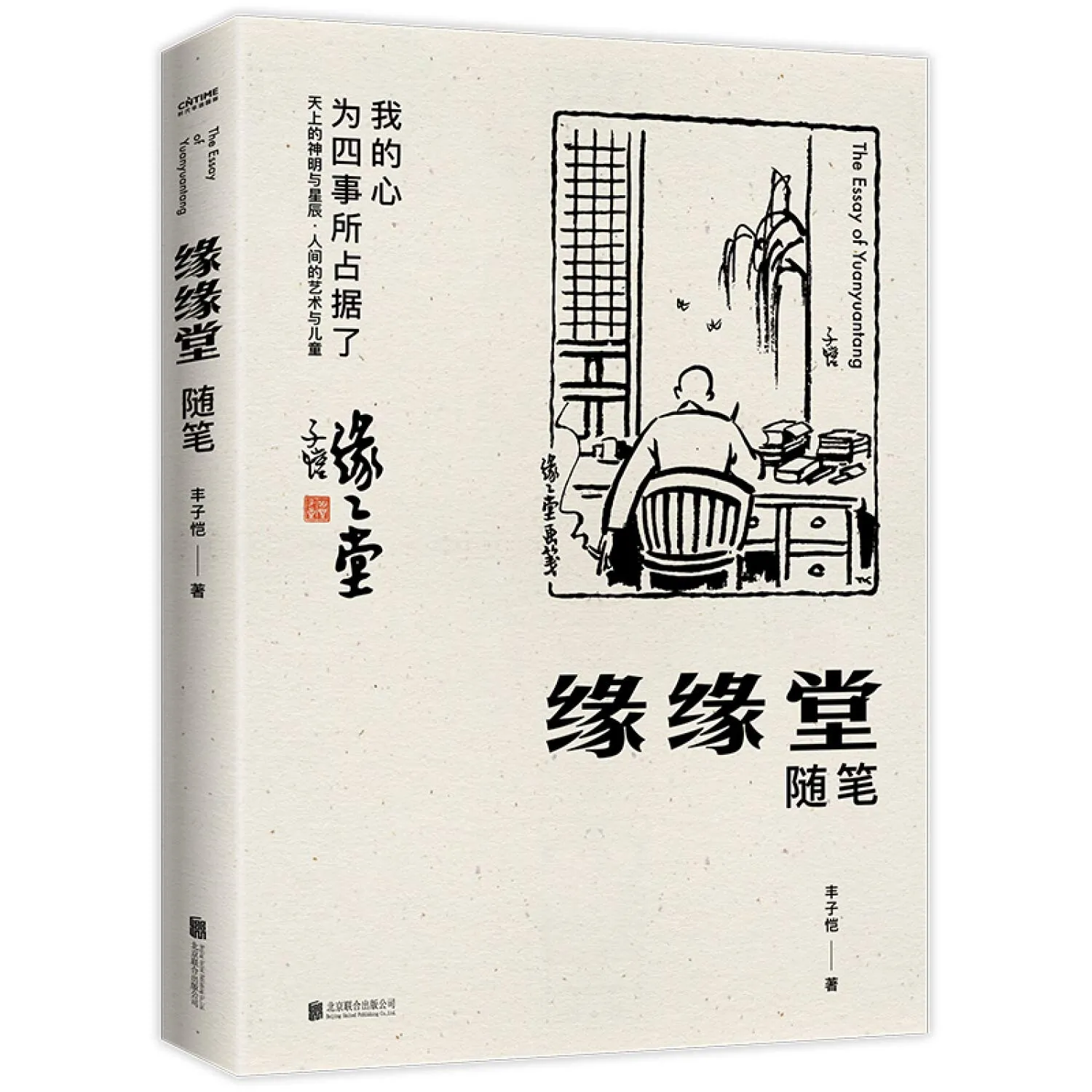
Feng Zikai, from Jiaxing in Zhejiang, was a pioneer of Chinese comics. His distinctive style carries a strong sense of childhood innocence. Essays from Yuanyuan Hall is a collection of essays filled with the same quality. There is no ornate language piled up for effect. Instead, through careful description and playful sentences, he writes naturally and sincerely about the innocence of children and his love for them.
That was the first time I deeply felt the power of language, and the first time I understood the importance of content, whether in literature or photography.
A year later, I read Literary Memoirs. The book is controversial, but it gave me an initial impression of a number of important classics and writers. Leaving the contents of the book aside, Mu Xin’s own life stayed with me for a long time. Born in Zhejiang and buried there, he, like Feng Zikai, came from Jiaxing. Both were optimistic and playful people.
Next came The Old Man and the Sea, Hemingway’s classic. When Santiago shouts, “A man can be destroyed but not defeated,” the meaning of the novel suddenly becomes concrete, and the moment is powerful.
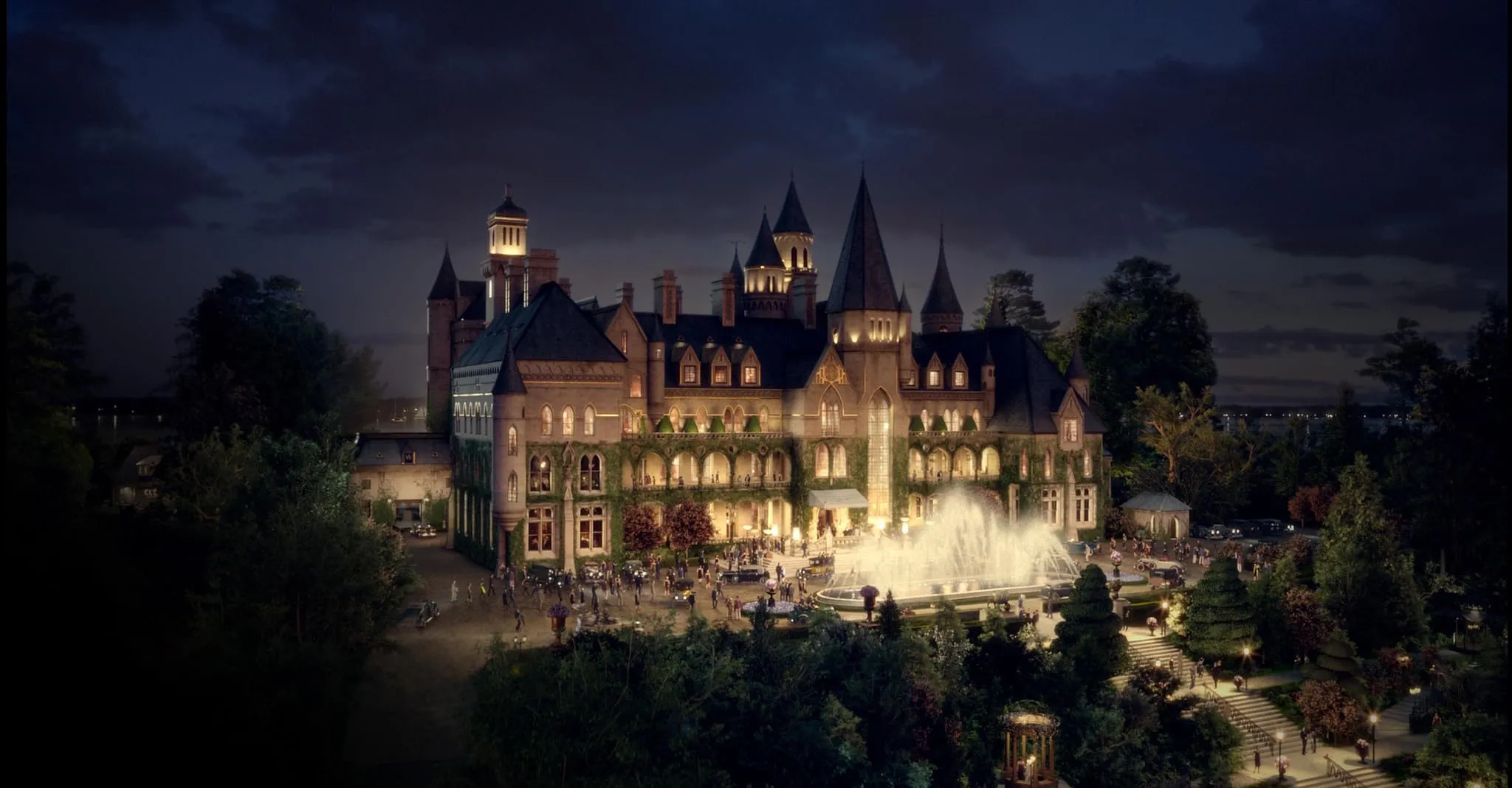
A still from the 2013 film The Great Gatsby.
Most of The Great Gatsby was filmed on location in Sydney. This mansion was filmed at the International College of Management in Manly, Sydney, with later visual modifications.
Finally, there is The Great Gatsby, which I am still reading. For a time, I mistakenly thought it was Bill Gates’s autobiography. It was not until I happened to see the 2013 film of the same name, directed by Australian director Baz Luhrmann, that I became interested in reading it. The book leaves plenty of room for interpretation. Different people can find different stories in it: love, money, crime… Each side gives something to think about. It is also worth mentioning that almost all of the outdoor scenes in the 2013 film were shot in Sydney.
Because my reading time is limited by the length of my commute, progress has always been slow. My goal this year is to finish all the reading materials from Seeing Through Photographs, which I have been working through for several years.
Music
I had wanted to learn an instrument for many years, and this year I finally did it. When choosing one, I mainly considered three things: it had to be portable, inexpensive, and a wind instrument. While watching The Legend of the White Snake, I happened to hear the song Past Life and Present Life. The flowing sound of the bamboo flute immediately caught my attention. It happened to meet all three requirements perfectly.
At first, because I could not control my breath accurately, I could only play the higher notes by blowing much harder. The side effect was that the volume became too loud and my right ear felt extremely uncomfortable. I then switched to the xiao, but producing a sound on the xiao requires more precise control of the blowing angle. After trying repeatedly for two weeks, I finally managed to produce its fundamental note. And that was how I learned another instrument.
From my own experience, once you can produce a sound, the xiao is relatively easier to play. The bamboo flute’s higher notes place greater demands on the muscles around the mouth. Because the flute is held sideways, it can also rotate slightly when changing fingerings, causing the airflow to move out of alignment with the blowing hole and resulting in an impure tone or too much air noise.
During a holiday back in China in September, I bought a new bamboo flute in C. The one I had used before was in E and had a higher pitch. Although the finger holes on the C flute are farther apart, its sound is also less piercing. After that, I mainly practiced the bamboo flute, usually for one to two hours a day.
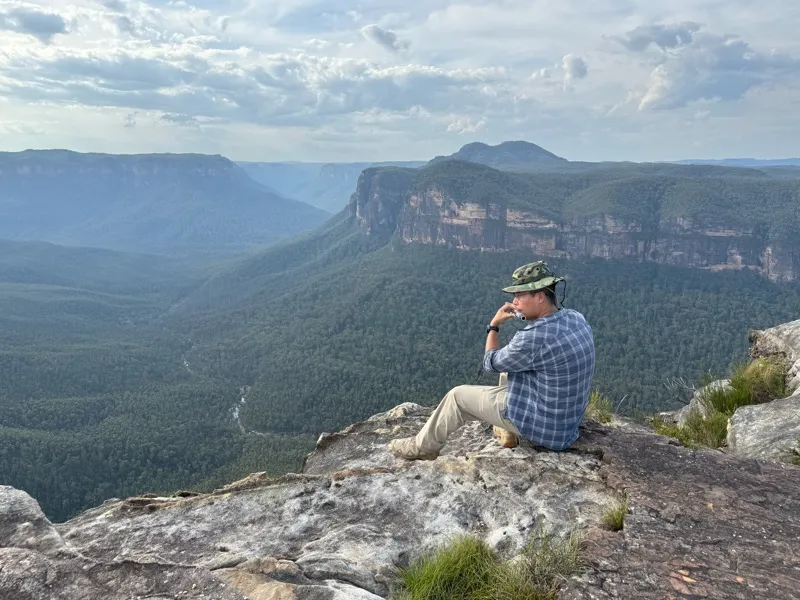
Playing the bamboo flute somewhere with no one around is one of my happy moments.
Blue Mountains, New South Wales, Australia, 2024
As the coordination between my breath and fingers gradually improved, my attention began to shift away from my hands and toward the music itself. When playing In That Distant Place, I could almost imagine myself back on the grasslands of my hometown. Switching to Crossing Love, I would immediately think of West Lake in March.
As for music, though, I think I will probably go no further than performing. I have never really thought about composing. After all, it took me more than ten months just to understand how staff notation works.
Technology
I do not have much to say about technology. I have always thought of programming as an art, just as the title of Professor Donald Ervin Knuth’s The Art of Computer Programming suggests. It should be like a precise Swiss watch: carefully made in every detail, running smoothly and accurately, something worth spending time refining.
In reality, though, it is often nothing like that. Most of the time, it is more like a pile of rubbish.
Life
Whether life feels good or bad depends on one’s state of mind.